THE GAPS DIET
Natural Digestive Healing
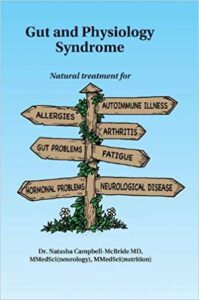
Please find below GAPS questions that are not addressed in the GAPS book. Each month new questions are answered by Dr. Natasha Campbell-McBride and posted below. Questions may be submitted to ask@GAPSdiet.com. Only general GAPS questions, not specific to individual medical concerns/conditions will be considered. Please contact a Certified GAPS Practitioner if you have a personal health question or concern. Please do not submit a question before reading the GAPS book. No questions will be answered that are addressed in Gut and Psychology Syndrome by Dr. Natasha Campbell-McBride.
Due to the large listing of FAQs, only the most recent FAQs are listed below. Please click here to download the full FAQs listing.
TOPICS INCLUDED IN FAQs Q&As
Most Recently Added FAQs
Adrenals
Autoimmune
Bacteria, Candida, & Fungus
Biofilms
Blood Pressure & Heart Rate
Calcium & Magnesium
Cancer
Children
Constipation, Diarrhea, Stool Issues
Cooking, Preparation, Ingredients & Miscellaneous Foods
Cystitis
Detoxing, Die-off, & Other Symptoms
Diabetes, Insulin, & Leptin
EMFs
Enemas
Fermented Foods & Drinks
Food Intolerance & Sensitivities
Fructose Malabsorption
Gas/Flatulence
Gout
Hair, Skin, & Nails
Headache & Migraines
Heart Disease
Illness & Medications
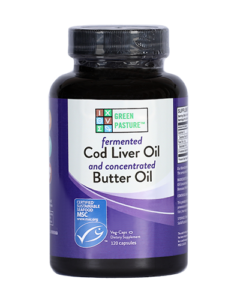
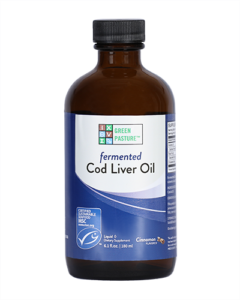
MOST RECENTLY ADDED FAQS (December 2011) There is a lot of talk right now about the healing powers of camel milk in autistic children with food allergies/intolerances. Many of us in the GAPS community are wondering if you think it would be legal for our children to try to have some fluid camel milk. Supposedly it doesn’t have the casein protein that other milks contain; I believe it might be lactose free, anti-fungal, probiotic, etc. Would it be best to ferment it? About a decade ago there was a similar interest in deer milk. Milk from animals other than the cow have not been commercialized to the same degree. That is why they are more natural and bring more health benefits. Most cow milk available in the shops comes from special artificial breeds of cow developed in laboratories; these cows produce almost three times more milk than a natural cow is able to produce. The milk from these commercial breeds of cow is not natural; it is quite different and has been linked to most degenerative health problems which plague the Western population today. Goats, sheep, camel and deer have not been commercialized, so the milk we get from them is exactly the milk Mother Nature has designed, as long as these animals eat the food that Mother Nature has designed them to eat. If these animals get commercialized and fed on artificial feeds, the quality of their milk will deteriorate. The best milk is from organic pastured animals and this milk has to be raw. I will explain why. Milk of any animal (including humans) is the female’s white blood with red blood cells removed; this milk is alive with alive and active blood and immune cells, enzymes, vitamins, etc. Pasteurization kills the milk and makes it more difficult to digest. So for our GAPS patients it is best to get raw organic milk. Many people around the world have no access to raw milk. In that case just buy fresh organic full-cream milk and ferment it at home; the fermentation process will put a lot of life back into the milk. All milk contains lactose and that is the biggest problem for GAPS children and adults. When we ferment milk we remove lactose and pre-digest casein and other proteins in the milk. As a result it becomes much easier for our digestive systems to handle. So, all milk (from natural breeds of cow, goat, deer, sheep and camel) has to be fermented for the GAPS patients. When the Dairy Introduction Structure (in the GAPS book) has been completed many patients can start drinking fresh raw milk when their digestive systems are ready for it (never give them pasteurized milk!). There is another issue with milk - that is what kind of protein casein it contains. Depending on what kind of casein it contains there are two varieties of milk called A1 and A2. Commercial breeds of cow produce A1 milk, which has been linked with disease. Natural breeds of cow (Guernsey, Jersey, African, Asian and French cows) produce A2 milk and so do camels and goats. Cow milk in supermarkets comes largely from commercial breeds of cow and is A1 milk. I would like to know why we sometimes have puffy bags under the eyes and how to address the problem? Lately, I have them all the time so I don’t think it’s just lack of sleep. You are right; it is not just lack of sleep. Bags under eyes are due to water retention in the body, which in turn is due to toxicity as toxins hold water and do not allow the body to dispose of it. As you start detoxifying the bags under the eyes should gradually disappear. I have been on Dr St Amand’s guaifenesin protocol for fibromyalgia for the past 7 years with positive results in pain reduction. Are you familiar with this protocol? If so, what are your thoughts about continuing or discontinuing it while on the GAPS diet? If you feel that it helps continue with guaifenesin. As you progress through the GAPS Nutritional Protocol try to reduce the dose and gradually come off this medication. As any drug guaifenesin has negative effects on the body, and long-term use of it has not been studied yet. I do not recommend taking any drug long-term. I was wondering why rashes occur in some places on the body and not others, e.g. only around the mouth. If around the mouth only, is this true eczema or could it be a reaction to food touching the mouth or perhaps the saliva? Mouth is a heavily populated area of human body – it has its own microbial flora. In GAPS people it is often abnormal, dominated by pathogens. These pathogens spread outside the mouth and can cause rashes around that area of the face. Here is what I recommend: 1. Stop using all toothpaste and replace it with olive oil: dip your toothbrush into good quality cold-pressed olive oil and brush as usual; rinse with water. This is based on an Aurvedic procedure called ‘oil pull’ which has a good ability to detoxify the mouth and the rest of the body. Brush with olive oil twice a day. 2. After every meal and at bedtime open a capsule of good quality probiotic on your tongue and let the powder dissolve there. This way you will populate your mouth, throat and upper digestive tract with beneficial bacteria. Is Maca allowed on the GAPS diet? Can it be beneficial in your opinion? No! Maca root has high levels of complex carbohydrates and has to be avoided. Later on in the diet, when you digestive symptoms are gone, try a little and see if you can tolerate it. I have heard of some controversy regarding grapefruit seed extract, that it is actually a synthetic preservative that is added to the GSE, benzethonium chloride that is responsible for its anti-microbial benefit. Do you have any comments, or is there a particular brand that you trust? This just demonstrates again that we need to be careful with supplements! Many of them are so processed that the original natural substances, which are supposed to be responsible for the benefits, are destroyed. Then preservatives are added and other chemicals. Original grapefruit seed extract was made by hand from the seeds of organic grapefruit. But as this substance became popular larger companies got involved and started using industrial processes, which changed the quality of this supplement. Today it is difficult to find real grapefruit seed extract. The original company which supplied my clinic has gone out of business and I have not found a replacement yet. What is your take on exercise during GAPS if one has the energy? Exercise has to be done only with the full agreement of your body. What I mean is that you need to do only what feels good and comfortable. Do not push yourself and do not do ‘work outs’. Physical activity must be combined with joy, laughter and other positive emotions. So, playing games, walking the dog or walking in pleasant natural environments are the most natural ways of exercising. Please comment on mucous in stools. Mucous is the natural way for the gut lining to clean itself. So, if you have too much mucous it means that your gut is cleansing. That is good news and should not be taken as anything to worry about. When your gut has completed its cleansing, the mucous production will naturally go down. Why is Gruyere cheese SCD compliant but illegal for GAPS? Many brands of cheese have lactose-containing substances added to it after fermentation. If you found a natural cheese which has been made without anything added after fermentation (you have spoken to the manufacturer and trust them) try it regardless of its name or brand. Is noticeable die-off necessary for continued healing? I had die-off when I started the diet but it has now been a year since I noticed die-off symptoms. Die-off is very individual. Some people, children in particular, may have one period at the beginning of the program and never have it again. Some people go through ‘waves’ of die-off with ‘good’ periods in between. The fact that you do not have die-off symptoms now does not mean that you are not healing. The dairy protein casein is considered by some researchers to promote cancerous growth, once cancer cells are present in the body. What do you think about this theory? There are hundreds of studies showing that milk can cause any illness under the sun including cancer. All these studies have been conducted on ‘supermarket’ commercial milk. This milk comes from unnatural breeds of cow and is pasteurized and then often processed in other ways. This is ‘Frankenstein’ milk and has nothing to do with REAL MILK - raw organic milk from natural breeds of cow fed on organic pasture. The REAL MILK has been consumed by the human kind for millennia, possibly longer, with excellent health benefits. Please read more about raw organic milk in other questions on dairy. Your book indicates that seed/nut oil blends must be refrigerated at all times. I have not seen any products on the market that are continuously refrigerated. Most manufacturers recommend refrigeration after opening. What do you recommend? Refrigerate these oils all the time they are in your possession. Always smell the oil when you open the bottle to make sure it is not rancid. Plant oils are very fragile and easily damaged by oxygen, light and heat. What is your experience with children that have high levels of oxalic acid (as many children with autism seem to have) and the use of the GAPS diet? I have received warnings from people in low oxalic acid diets about the danger of using a high fat diet and oxalic acid in the body. Could you please elaborate on this? Oxalic acid in the body exists in the form of salts called oxalates. The main reason for their increase is the body’s inability to process them properly. That happens in GAPS patients for the following reasons: 1. They lack particular beneficial bacteria in the gut flora which break down oxalates. One species of this bacteria has been studied called Oxalobacter Formigenes. I am sure other species will be studied soon. O. formigenes is a normal part of healthy human gut flora and is very vulnerable to broad spectrum antibiotics; once the antibiotics wipe it out the person cannot process oxalates, so these salts build up in the body and cause symptoms. 2. The detoxification system in GAPS people is broken down and does not function well. Ample supply of sulphur is a vital part of the detox system, and people with GAPS are deficient in sulphur. So, they cannot process oxalates and many other substances in the body properly. 3. Magnesium deficiency is another part of GAPS. Oxalic acid is largely removed from the body through urine, and the safest salt to remove it as is magnesium oxalate. When there is not enough magnesium the body uses calcium instead which makes the person prone to forming kidney stones. Excreting this substance in urine can cause chronic inflammation in the bladder and urethra, causing burning and painful urination. People with abnormal gut flora have abnormal flora in the groin as well, which causes a low-grade inflammation. Urine full of oxalates (and other toxins coming from the gut!) irritate that already sensitive area and can cause vulvo-vaginitis and vulvodynia. Foods rich in oxalates can be a problem for this group of people, as they cannot digest them well enough. These are plants: sorrel, spinach, rhubarb, buckwheat, star fruit, peppercorns, parsley, amaranth, beets, cocoa, coffee, tea and other plant foods. Follow the GAPS Introduction Diet, which excludes oxalate-containing plants at the beginning. As your gut starts healing and your gut flora starts changing you will find that you can gradually introduce various plant foods, even those rich in oxalates. Animal fats are an important part of GAPS Nutritional Protocol. They are essential for restoring the detoxification system and immunity in the person. If there is a problem with digesting fats, please read the section on gallstones in the FAQs and follow the recommendations there. When your bile flow gets restored your liver will clean itself quite quickly and start processing oxalates appropriately. To heal your bladder, urethra and vulva please look at the section urinary problems in the FAQs and follow the instructions there. I have a question about eating lacto-fermented veggies. I’ve started GAPS and have been eating them for about 1.5-2 months now. The problem is my teeth are so sensitive when I eat them. Sometimes they start to ache when I try to chew the lacto-fermented sauerkraut or veggies. Can you tell me if this is something that should get better as I continue with GAPS? Your teeth are sensitive because the enamel on them is too thin and is poorly nourished. So, I recommend that you stop using all toothpaste and replace it with olive oil: dip your toothbrush into good quality cold-pressed olive oil and brush as usual; rinse with water. This is based on an Aurvedic procedure called ‘oil pull’ which has a good ability to detoxify the mouth and initiate healing in your teeth and gums. Brush with olive oil twice a day. To nourish your teeth you need plenty of animal fats in diet and vitamins A, D and K. The animal fats will provide large amounts of those vitamins, but to add more you can take a good quality cod liver oil (preferably fermented). Sour cream made at home from raw organic cream will heal your enamel quite quickly. While you are healing your teeth, reduce the amounts of fermented vegetables in your meals and drink their juice instead (added to soups and meat stock). Can you please explain all of the things that will help with consistently pale-yellowish stools (bile production and absorption of fats)? This is in a young child who has already been through Intro diet and is still on the Full GAPS diet and who eats lots of healthy traditional fats. Don’t worry about the color of the stool; it will become normal when the gut has healed. The pale color can be due to low bile output and high levels of probiotics in the diet: the bile makes the stool brown while probiotic bacteria make it look pale. The digestive system of your child will find the right balance at some point when it has completed cleaning itself. Use the GAPS milkshake daily to restore the bile flow (you will find the recipe in the gallstones section in FAQs). I want to use GAPS to help heal Hashimoto’s thyroiditis. Some sources (i.e. Kharrazian) recommend not eating dairy or eggs for people with this issue. I am wondering what your experience is with this? Most GAPS people have an autoimmune component to their illness, because autoimmunity is born in the gut. Hashimoto’s thyroiditis is an autoimmune disease. By healing the gut and restoring normal gut flora you will re-balance your immune system and remove autoimmunity. The gut wall in Hashimoto’s patients is like a sieve – it is damaged and leaky, so the foods don’t get the chance to be digested properly before they absorb. If the diet is not focusing on healing and sealing the gut lining then you finish up in a nightmare situation of avoiding all sorts of foods which do not digest properly before being absorbed through the damaged gut lining. These partially digested foods trigger the immunity and start autoimmune problems. So, instead of avoiding foods focus on healing and sealing your gut, and soon you will be able to eat all sorts of foods without them causing trouble. Please, read more about this in the Food Allergy article at www.GAPSdiet.com. To heal your gut quickly and optimally follow the Introduction Diet. If eggs or dairy are clearly causing symptoms in you, then avoid them for a while and try to introduce them later. If you cannot link eggs or dairy to any particular symptoms now, then don’t remove them. To make sure that there is no real allergy to these foods use the Sensitivity Test. Can I begin the Introduction Diet with H pylori? Will this alone begin to cure it or do I need to do something else? Yes! In my experience majority of people remove symptoms related to H pylori by following the GAPS Nutritional Protocol. In a small percent the symptoms may persist and at that stage we can try to deal with it. H pylori is present in the stomach of the majority of people on this planet, and about 80% of them have healthy stomachs. So, there is more to this microbe than we know currently. It is possible that in the future H pylori will be qualified as a normal inhabitant of the human stomach. H pylori is always accompanied by yeast in the stomach and it appears that they feed off each other. So, in many people symptoms of gastritis, reflux and indigestion are due to the overgrowth of yeast rather than H pylori. Only your own body will know how to bring these microbes into balance, so follow the diet first for a 1-1.5 years before considering any other intervention. Is wheat grass or barley grass powder (with no additives) legal to use? Ashwagandha? Is refined coconut oil harmful? Does it change coconut oil in a negative way if you heat it, like other vegetable oils? Coconut oil is quite stable and can be used for normal cooking at home. Industrially processed coconut oil however is questionable as the industry uses very powerful methods of processing, which can damage the oil. Is non-virgin olive oil OK if you don’t’ heat it? Or has it already been heated in processing? The most important requirement for olive oil is that it is cold-pressed, as heating damages its delicate micro-nutrients (antioxidants, phenols and other detoxifying substances). Virgin or not virgin is not so important. Can you explain what constipation in a baby is like? Is it just delayed stools? The stools are hard and difficult to pass; the baby has to strain a lot and can start crying. More than 2 days between stools is generally not normal in a baby; healthy babies usually pass one or more stools every day. I read that the molecular signature of coffee is very similar to the molecular signature of gluten and if a person is intolerant to gluten they will also react to coffee (among other foods). Do you feel that this is true and should coffee enemas also be avoided? Coffee naturally contains no gluten. But the factories which process coffee may handle flour and other gluten-containing foods, so cross-contamination can happen. We are talking about pure coffee of course and not coffee drinks, which may have many other ingredients in them. So, concerning gluten, first it is important to distinguish between intolerance and real allergy, use the Sensitivity Test for this. Real allergy to gluten with an anaphylactic component is a serious matter and you have to avoid gluten in all foods which may contain even traces of it. Intolerance is very different: it is due to damaged gut wall and the treatment has to focus on healing and sealing that wall, rather than avoiding gluten. So, if you don’t have a real allergy to gluten, don’t worry about traces of it in other foods, including coffee. ALL FAQs
Yes, grasses and herbs are allowed. Ashwagandha is used in Aurveda for treating many different health problems. It belongs to the nightshade family of plants, so if you are sensitive to this group of foods then you may not be able to tolerate it.
Please click here to view all previously answered FAQs.